How Our Process Works
We keep the steps simple and transparent, so you always know what is next and when you can enjoy your yard again.
- Assessment and quote: We measure, check condition, and provide a clear written estimate with the prep and product we recommend.
- Prep and protection: Wash, neutralize, and light surface prep as needed. We cover plants, furniture, and hardscape before work begins.
- Color confirmation: We place test swatches in a low-visibility spot so you can approve the exact tone in natural light.
- Application: Controlled spray and back brush techniques for uniform penetration and consistent sheen, section by section.
- Final walk-through: We review results together, share care tips, and note a future maintenance window so your finish stays strong.
Care tips are built into the process. Avoid sprinklers on the fence line for the first few days, wash gently with low pressure and a mild cleaner once or twice a year, and trim shrubs back so air can flow. When color starts to lighten, a maintenance coat brings it back fast and protects the wood you already own.
Surfaces, Styles, And Project Types We Handle
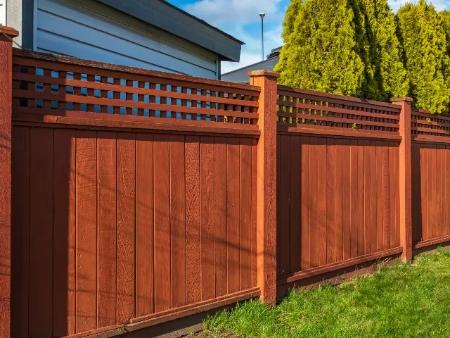
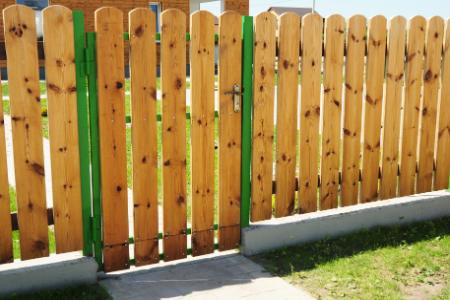
From classic picket yards to tall privacy screens, we stain most common residential wood fences including pine, cedar, cypress, and pressure-treated lumber. We regularly refresh shadowbox, board on board, horizontal slat, lattice top, and ranch rail designs. Gates, posts, and caps are included so the finish looks complete from every angle.
If your fence is weathered gray, we can usually restore color with cleaning and brightening before stain. Boards with heavy rot, severe warping, or structural issues are identified during the estimate so you can decide on spot repairs. Vinyl and most metal fences are not candidates for stain; we are happy to advise on alternatives that complement your yard and match your fence line's look.
Local tip: Afternoon showers and high humidity can slow dry times. Plan staining when rain chances are lower and let the finish cure fully before placing items near the fence. This small timing choice helps lock in color and keeps overspray or debris from sticking to fresh stain.
Built For Our Coastal Climate
Fences here face intense sun, salty breezes, and frequent summer downpours. UV exposure causes lignin breakdown that turns wood gray and invites cracking. Moisture, meanwhile, encourages mildew on the north and shaded sides. That is why proper neutralizing after washing and a quality stain with UV absorbers or pigments make such a difference in how long the color holds.
We schedule around prevailing weather patterns to protect open grain from surprise storms. Sprinkler overspray and pool chemicals can also mark a finish, so we recommend minor adjustments to heads near the fence line. HOA color approvals are common, and we can provide samples or photos to support your submittal if needed.